Moisture Mapping in Paterson NJ
Moisture mapping helps pinpoint hidden water intrusion and moisture pockets that can lead to mold growth and structural damage. Our moisture mapping service in Paterson, New Jersey
uses advanced, non-invasive tools to create detailed moisture profiles for homes and businesses. Paterson Mold Inspection Pros deploys thermal imaging, moisture meters, and systematic scanning to locate elevated moisture levels behind walls, under flooring, and around HVAC systems. The resulting maps show concentrations, depth, and likely spread patterns so you can make informed decisions about repairs, mitigation, and next steps. We prioritize clear communication and practical recommendations so property owners and contractors can address issues quickly and limit long-term damage. Whether you suspect a leak or want a preventative evaluation, our moisture mapping delivers accurate data and actionable insight.
What is Moisture Mapping?
Moisture mapping is a diagnostic process that locates and documents moisture distribution within building materials and assemblies. Using a combination of moisture meters, infrared thermography, and systematic survey patterns, technicians create a visual representation of elevated moisture zones. For mold inspection professionals, moisture mapping is a core tool: it reveals hidden dampness that fosters microbial growth and identifies pathways where water is entering or accumulating. The output is a set of moisture maps and readings that show where moisture is highest, how deep it has penetrated, and which materials are affected. This targeted information helps prioritize repairs, plan remediation, and verify that drying efforts are succeeding without relying on guesswork.
What Sets Our Service Apart
Our moisture mapping stands out because we combine industry-standard instruments with disciplined methodology and clear documentation. Technicians follow systematic grid surveys and targeted point testing to ensure repeatable, comprehensive coverage rather than spot-checking. We integrate infrared imaging with calibrated moisture meters to reduce false positives and confirm suspect areas. Results are delivered as easy-to-read maps with annotated readings, color scales, and recommended priorities. Additionally, we focus on practical recommendations that align with mold inspection best practices — identifying not just where moisture exists, but the likely sources and the corrective steps that reduce mold risk. Attention to detail, consistent protocols, and useful reporting distinguish our approach from cursory moisture checks.
Why Choose Us?
Choosing an air testing, surface sampling, or moisture mapping provider means selecting someone who delivers reliable data, clear interpretation, and actionable next steps. Our process emphasizes accuracy and transparency: calibrated instruments, experienced technicians, and standardized survey patterns that produce dependable results. We bridge the gap between raw readings and practical decisions by explaining what the maps show, how urgent each condition is, and which repair or mitigation options work best. For property owners, facility managers, and contractors, that clarity reduces downtime and avoids unnecessary work. We also prioritize safety and minimize disruption by using non-invasive techniques whenever possible, enabling thorough evaluation without destructive exploratory openings except when absolutely required.
In short, our moisture mapping service delivers confidence. You get precise identification of moisture problems, documented evidence to support repairs or insurance claims, and prioritized guidance for remediation. We collaborate with remediation contractors and clients to ensure findings are actionable and verifiable, and we can re-scan after repairs to confirm successful drying. By focusing on measurement, repeatable technique, and clear communication, our service helps prevent mold growth, protect building materials, and reduce long-term costs. That practical, measurement-driven approach is why clients turn to us when they need dependable moisture insights.
Book a Consultation Today
Have a question? We’re here to help. Send us a message and we’ll get in touch as fast as we can.
Signs You Need Moisture Mapping
Moisture mapping is warranted when moisture issues are suspected but not fully visible, or when you need documentation to guide repairs. Signs include unexplained musty odors, recurring stains after wet weather, areas that feel cool or damp to the touch, or post-remediation concerns where mold symptoms persist. It’s also wise before major renovation or after a water event to determine hidden damage. A moisture map identifies affected materials, shows distribution, and helps prioritize interventions so you avoid trial-and-error repairs. For property managers and homeowners who need clarity and evidence-based recommendations, moisture mapping removes uncertainty and directs efficient, effective remediation.
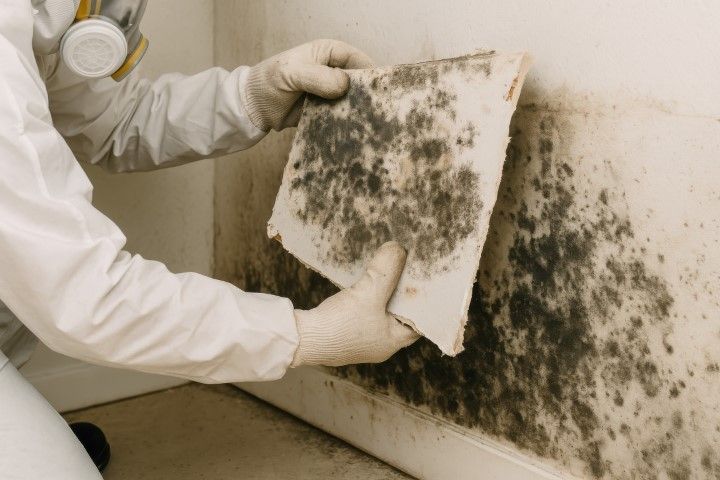
Presence of Damp Smells
A musty or earthy odor in a room often means moisture is trapped nearby. Even if you cannot see any stains or leaks, the smell alone can be a strong hint that water is present behind surfaces. These odors usually appear in basements, bathrooms, or areas with poor airflow, and they tend to become stronger over time.
Discoloration on Walls, Ceilings, or Floors
Another important sign is the appearance of stains or discoloration on walls, ceilings, or floors. These marks can look like yellow or brown patches and often show up after heavy rain, plumbing issues, or long-term humidity. Sometimes the stain dries out, but the moisture deep inside the material stays trapped. Moisture mapping helps confirm whether the area is still wet and needs attention.
Peeling Paint and Warping Materials
When water sneaks behind walls or under flooring, it causes paint to bubble, crack, or peel away. Wood and drywall can begin to swell, bend, or soften. These changes usually happen slowly, so many people overlook them at first. If the problem continues, the damage spreads and becomes more costly to fix. Moisture mapping identifies the full extent of the issue before it gets worse.
Presence of Unexplained Mold Growth
Mold often grows in hidden places long before it becomes visible. If you start noticing mold spots, sudden allergies, or increased breathing problems, moisture may be the cause. Mold needs water to grow, and moisture mapping can locate the source so it can be addressed properly. Finding the hidden moisture is the key to stopping mold from returning.
Our Step-by-Step Moisture Mapping Process
We use moisture mapping to precisely locate hidden wetness and guide focused remediation. We combine visual inspection, calibrated moisture meters, thermal imaging, and data logging to create a clear moisture profile. First, we perform a thorough site survey to identify suspect areas and occupant concerns. Next, technicians take systematic moisture readings across floors, walls, and cavities while documenting conditions. Then, we analyze the collected data to map moisture gradients and probable source paths. Finally, we deliver action-oriented recommendations and coordinate with contractors if needed. This structured approach minimizes guesswork, reduces unnecessary demolition, and speeds drying and repairs. We also include follow-up verification readings and a detailed moisture map so contractors know where to focus repairs.
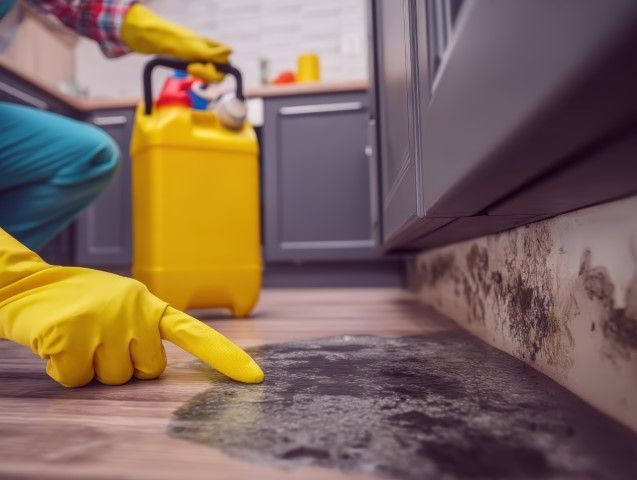
Initial Site Survey
We begin with an initial site survey to document building layout, occupant reports, and visible signs of moisture. Our technicians identify suspect areas and establish a systematic grid for moisture readings. This organized start ensures measurements are repeatable, helps prioritize sampling locations, and sets the foundation for precise moisture mapping.
Systematic Moisture Readings
We take systematic moisture readings using calibrated pin and non-contact meters, plus data loggers where extended monitoring is needed. Measurements include material moisture content, ambient humidity at multiple points. Our method maps gradients and moisture pathways, revealing concealed wet pockets so remediation targets are accurate and invasive work is minimized.
Data Analysis and Mapping
We analyze collected data to create visual moisture maps that show concentration, direction, and severity. Thermal images are cross-referenced with meter readings to validate warm, damp areas. This combined analysis identifies probable leak sources and sequences of moisture movement so remediation strategies address root causes, not only surface symptoms effectively.
Recommendations and Verification
We provide a detailed report with moisture maps, measurement tables, photographic evidence, and clear recommendations prioritized by risk. Our report outlines drying goals, repair suggestions, and contractor coordination tips. After remediation, we return for verification readings to confirm moisture levels meet targets, giving owners assurance that the issue has been resolved.
Moisture mapping is an essential part of modern mold inspection and a smart investment for homeowners and property managers. By combining targeted readings, thermal imaging, and methodical analysis, moisture mapping reduces uncertainty and guides efficient repairs. It prevents unnecessary demolition by showing exactly where moisture accumulates, which materials are affected, and whether mold risk is active or dormant. Clear maps and verification readings also streamline communication between owners and contractors, accelerating insurance claims and repair timelines. For properties with prior water intrusion, aging plumbing, or persistent humidity issues, mapping provides measurable baselines and post-remediation confirmation. Our approach prioritizes health, structural integrity, and cost-effective solutions, so clients face fewer surprises and longer-lasting results. If you suspect hidden moisture or want to verify drying progress, scheduling a moisture mapping assessment delivers focused insight and a practical roadmap to restore safe, dry conditions.